What I owned
Neon Dash was my first project as Feature Owner. I was accountable for the launch end to end, from the first scope decisions to the release weekend, and I also drove most of the hands-on design work myself.
- Scope: defining what this launch would and wouldn’t change, and managing the scope list as priorities shifted.
- Design: Return to Checkpoint, the F1 help screen, the pre-battle hint, and how every new vehicle behaves in the mode.
- Documentation: functional requirements and user stories for development, plus the design, engineering, QA, staging, and release checklists the team worked from.
- Playtests: planning, running, and documenting eight sessions, and turning their findings into design decisions.
- Configs and release: the release and test-server configurations, matchmaker tuning, the in-game info page, and the release duty schedule.
I coordinated developers, QA, UX, and production from concept to release, and kept everyone aligned on scope, priorities, and dates.
What Neon Dash is
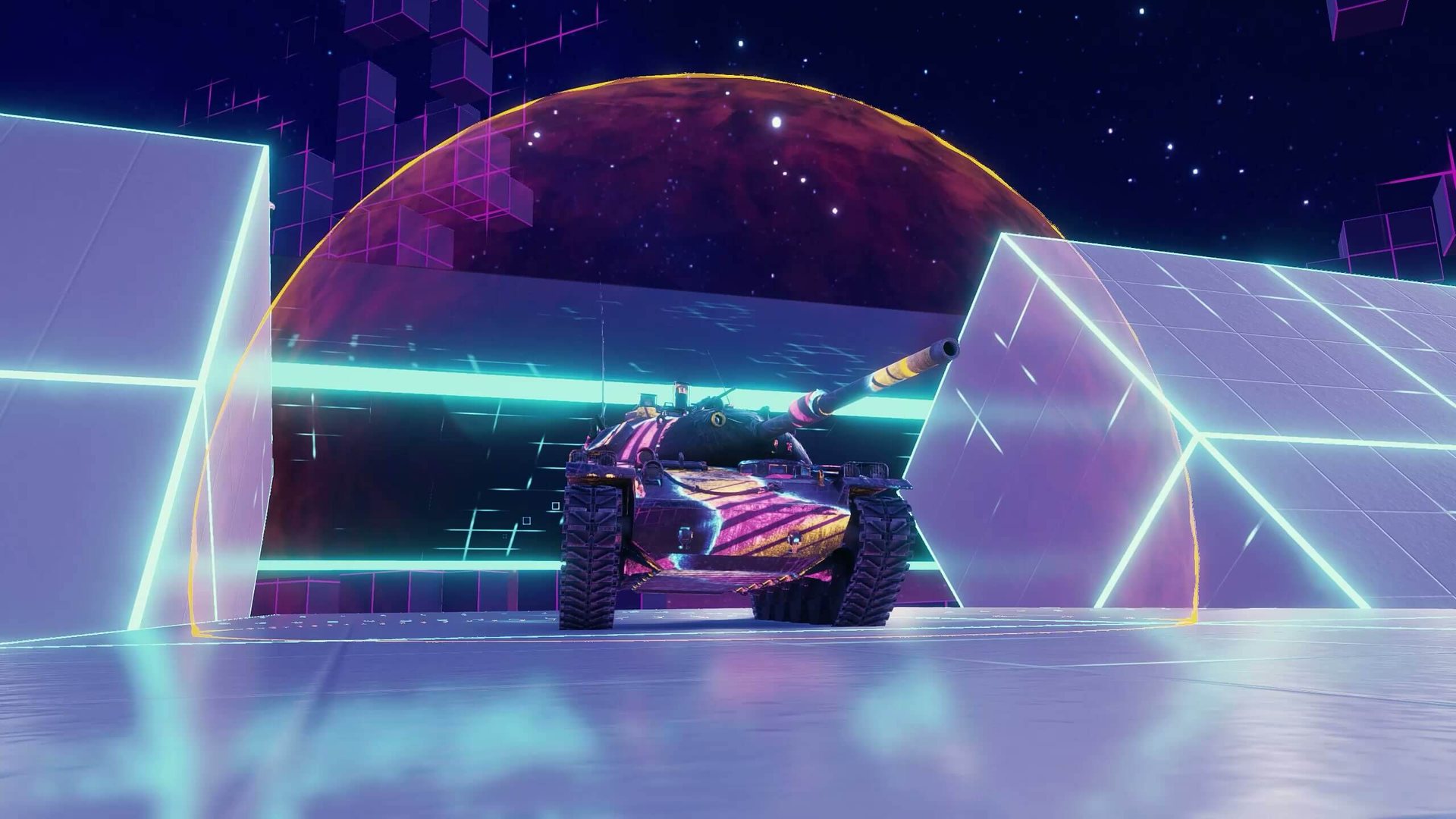
Neon Dash is a limited-time racing mode in World of Tanks. Up to 30 players race through an obstacle course full of lasers, jump pads, and moving traps. Shots don’t deal damage. They push other tanks around, so you can knock a rival off the track. Every tank also gets a shield and a dash.
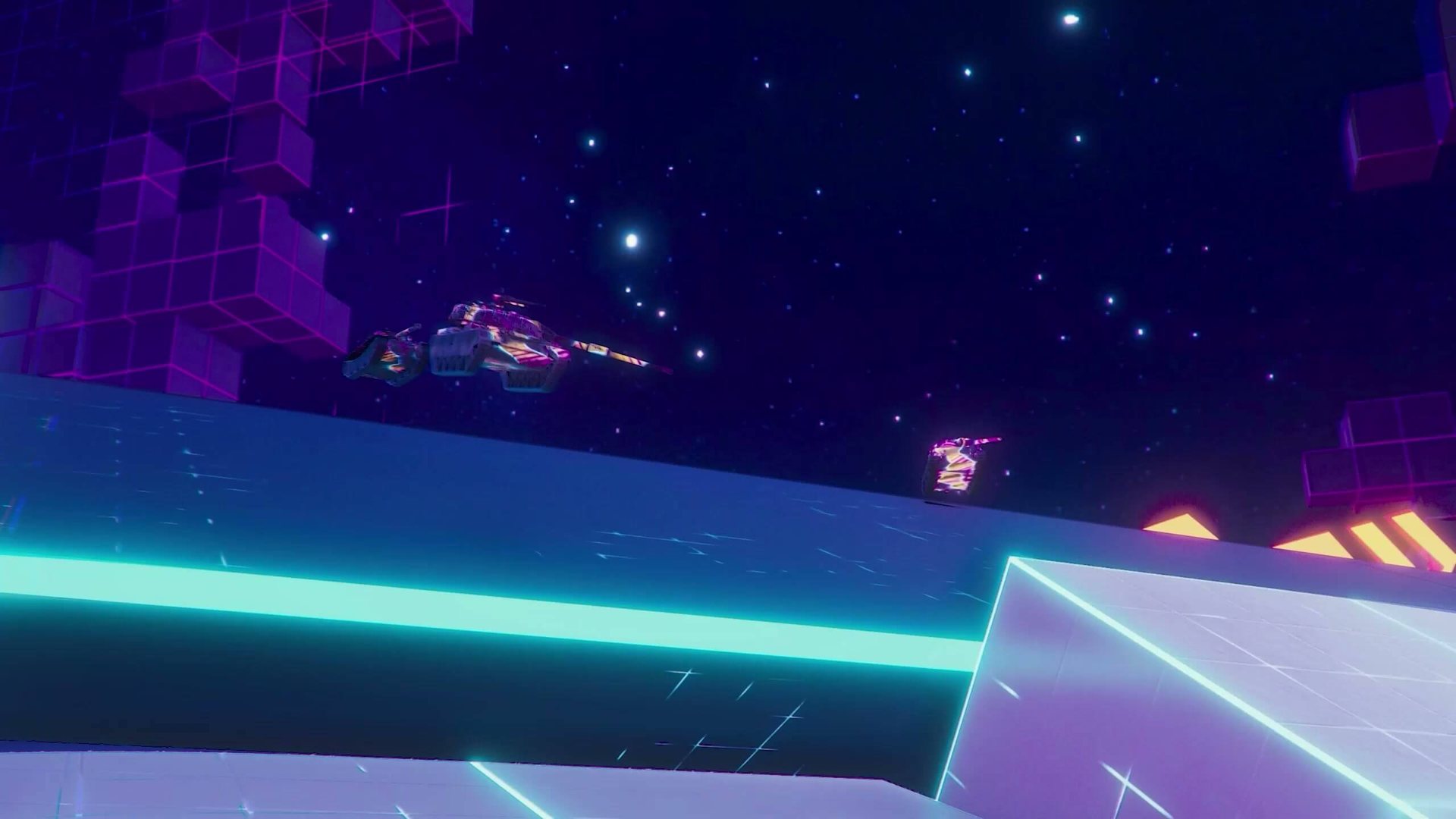
Checkpoints save your progress, respawns are unlimited, and there is no earning or spending in battle. Next to the races there is a progression with missions and stages, and an endless loop after the main track.
The mode first ran in 2025 and came back in spring 2026 with two new tracks. The fall 2026 run was mine. It ran for two weekends in October across every region.
What this launch needed
The mode already worked, but the game around it keeps changing. This launch had three goals:
- Keep the race players already liked: the same gameplay, tracks, progression, and rewards.
- Make the way back to a checkpoint visible and easy to understand.
- Support every vehicle added to the game since the last run, including the new Tier XI tanks.
Getting players unstuck
In an obstacle race, tanks get stuck. They flip on a ramp, wedge between blocks, or end up somewhere they can’t drive out of. The mode already had a way out: pressing J sent you back to your last checkpoint. The problem was that many players didn’t know it existed. After the spring run, this was the first thing we wanted to fix.
First attempt: dynamic stuck detection
My first design was a dynamic stuck-detection system. It tracked when a tank stopped moving or a player stopped giving any movement input, then surfaced a hint about the J key, capped per match so it wouldn’t turn into noise.
I validated it in our third playtest. It produced too many false positives, firing for players who weren’t actually stuck, so I made the call to cut it and change the approach.
What shipped: Return to Checkpoint
Instead of trying to guess when players needed help, we made the help permanently visible. Return to Checkpoint became a dedicated fourth slot in the in-battle ability panel, next to the other abilities, with its key shown on it. Players hold the key, a countdown runs with a progress fill, and the tank is sent back to the last checkpoint.
I wrote the full functional requirements for the ability, covering how it activates, the countdown, its tooltip, and its on-screen messages, and drove the implementation details with UX and the developers.
I reinforced it with two onboarding changes. I added a new third page to the F1 help screen that explains Return to Checkpoint, and I removed the display limit on its pre-battle hint, which used to disappear after a few battles.
Tier XI and new vehicles
Neon Dash lets you race in any tank, so every vehicle added to the game since the last run had to work in the mode. I ran a compatibility review of all 51 of them, checked how each one behaved in a race, and specified the changes the mode needed.
The most complex part was Tier XI. The nine new Tier XI tanks in version 2.4 come with special abilities, like an infrared scanner or a coaxial rocket launcher, and not all of them fit a race. I reviewed each ability against the mode’s rules and made the design call on every one: keep it, adjust it for the mode, or disable it.
Leading eight playtests
I planned, ran, and documented eight playtests between May and July. They were where the big decisions got made. The stuck-detection system was cut based on one of them, and another ran on a special branch with the unreleased Tier XI tanks, so we could validate them in the mode before they shipped.
Configs and matchmaking
I authored the mode’s configurations for the release and for the public test rounds, and kept the config dates for all four regions in one overview.
I also reworked the mode’s matchmaker settings. I tuned its queue timeouts so it prioritizes forming larger groups and avoids edge cases when only a few players are in the queue.
How the launch went
Both weekends ran in every region without major technical issues. For a live event, that is the first thing that has to go right, and it did.
Players seemed happy to have Neon Dash back. A lot of them treated it as a relaxed break from Random Battles, and several asked for more maps. The team kept a list of improvements for a future run.
What I learned
My first answer to the stuck problem was the clever one: detect when a player is stuck and tell them what to do. It fell apart in playtesting. The fix that shipped was much simpler. The way out already existed, so we made it visible, explained it, and let players use it whenever they wanted. Owning the whole feature also showed me how much of the job happens around the design: scope calls, configs, checklists, and making sure everyone knows what is happening and when.